
"coffee from Andes"
3000 article(s) found

Coffee bean producing areas-South America-Peru (Peru)
Well-known representative coffee: Peru (Peru) Peru is one of the major coffee producing countries in South America, and coffee is Peru's largest export agricultural product, which has grown greatly in recent years. It can be seen from the map that the Andes mountains run parallel to the coast in Peru. More than 90% of Peruvian coffee is grown in the north, in the valleys east of the capital Lima, and in the slopes of the Andes.

Introduction to the characteristics of Ecuadorian Coffee Flavor Manor with well-balanced taste
West coast: including coastal plains and foothills, high in the east and low in the west, generally below 200 meters above sea level, with some hills and low mountains at an altitude of 600 to 700 meters. Belongs to the tropical rain forest climate, the southernmost end begins to transition to the savanna climate. The average annual precipitation decreases from more than 3000 mm to about 500mm from north to south. Central Mountains: the Andes enter Ecuador from Colombia
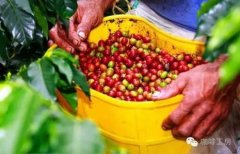
A brief introduction to the flavor and taste characteristics of boutique coffee in Santa Cruz Manor, Ecuador
Central mountain: after entering Ecuador from Colombia, the Andes is divided into the eastern and western Cordillera mountains, with a plateau high in the north and low in the south, averaging between 2500 and 3000 meters above sea level. The Andes run through the middle of the border. The ridges crisscross, dividing the plateau into more than ten intermountain basins. The most important are the Quito basin and the Cuenca basin in the south. Volcanic crowds in the territory

Pure Aromatic Galapagos Fine Coffee Bean Grind Roast Degree Treatment Method Introduction
Central mountains: Andes from Colombia into Ecuador after the border, divided into east and west Cordillera mountains, between the two mountains for the north high south low plateau, an average altitude of 2500 meters to 3000 meters between. The Andes run through the middle of the border. Ridges crisscross the plateau, dividing it into more than a dozen intermountain basins. The most important are the Quito basin and the Cuenca basin in the south. Domestic fire
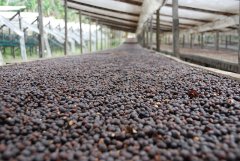
Information Flavor characteristics of St. Vincent Coffee Farm in Narino, Columbia
For the exchange of professional baristas, please follow the coffee workshop (Wechat official account cafe_style) Product name: Colombia Nalinglong St. Vincent Farm washing (Colombia Narino Finca San Vicente Washed) production area: Nalinglong (Narino) producing area Manor: St. Vincent Farm (Finca San Vicente) Variety: Kaddura (Caturra) altitude:

Introduction to the characteristics of coffee flavor and taste in the fragrant Santa Cruz Manor of Ecuador
The Republic of Ecuador is located in northwestern South America. It is bordered by Colombia in the northeast, Peru in the southeast and the Pacific Ocean in the west. It covers an area of 256370 square kilometers and the coastline is about 930km long. The equator runs through the north of the border, and Ecuador means the Spanish equator. Ecuador is divided into the western coast, the central mountains, the eastern Amazon River basin and the four central regions of the Galapagos Islands.

Flavor and taste characteristics of coffee manor in Ecuador introduction to Santa Cruz Manor
Ecuador is divided into the western coast, the central mountains, the eastern Amazon River basin and the four central regions of the Galapagos Islands, with diverse climatic conditions. The western coastal plain belongs to the tropical rain forest climate, with an average temperature of 23-25 ℃. The central Andes. The intermountain basin in this area belongs to the savanna climate, and the mountain belongs to the subtropical forest climate, with perennial snow above 4000 meters above sea level. Annual average decline

Introduction to the characteristics of Ecuador Fine Coffee Flavor Manor
Ecuador is divided into the western coast, the central mountains, the eastern Amazon River basin and the four central regions of the Galapagos Islands, with diverse climatic conditions. The western coastal plain belongs to the tropical rain forest climate, with an average temperature of 23-25 ℃. The central Andes. The intermountain basin in this area belongs to the savanna climate, and the mountain belongs to the subtropical forest climate, with perennial snow above 4000 meters above sea level. Annual average decline

What kind of coffee is from Inca? what is the taste of Peruvian coffee?
Professional coffee knowledge exchange more coffee bean information Please follow the coffee workshop (Wechat official account cafe_style) most Peruvian coffee is organic, mainly on small-scale farms, mostly grown in the Andes. Peru, with mountains accounting for 1% of the country's total area, belongs to a tropical desert region with a dry and mild climate. The average elevation of the Andes is 4000 meters above sea level, with an average annual atmosphere of 18 to 26 ℃

The taste and flavor of Ecuadorian coffee
Following caf é (Wechat official account vdailycom) found that Beautiful Caf é opened a small shop of its own, Ecuador's coffee producing area: the best Arabica coffee is produced in the Andes, especially in the ChanchamgoValley valley, the Andes is divided into two series of mountains, extending from south to north to central Ecuador. Ecuadorian coffee beans can be divided into Galapagos (G
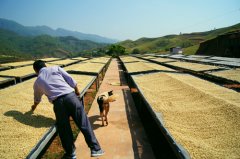
Introduction to the origin of coffee in America-- Peruvian boutique coffee Peruvian coffee taste Peruvian coffee
Well-known representative coffee: Peru (Peru) Peru is one of the major coffee producing countries in South America, and coffee is Peru's largest export agricultural product, which has grown greatly in recent years. It can be seen from the map that the Andes mountains run parallel to the coast in Peru. More than 90% of Peruvian coffee is grown in the north, in the valleys east of the capital Lima, and in the slopes of the Andes.

How about Colombian coffee beans? Lazmos Manor single bean flavor describes the planting history.
Professional barista communication please pay attention to the coffee workshop (Wechat official account cafe_style) Colombian coffee Columbia super, is a very representative of Arabica coffee varieties, is the traditional deep-roasted coffee, with a strong and memorable taste. Colombian coffee has a bitter experience, it is as astringent as life, but bitterness is life.

Introduction to the origin of boutique coffee beans the characteristics of Ecuadorian coffee Ecuador coffee Ecuador Guado
The Arabian Coffee Tree was first introduced to Ecuador (Ecuador) in 1952 and its coffee is of good quality, especially the coffee harvested in early June. Ecuador's coffee origin: the best Arabica coffee is produced in the Andes, especially in the Chanchagu Valley (ChanchamgoValley). The Andes are divided into two mountains, extending from south to north to central Ecuador. Ecuador

There is a clear introduction to the quality and acidity of Colombian coffee varieties in the Cauca Cauca Andes.
Colombian coffee has a silky taste. Colombian coffee is equated with high quality and good taste. It is sweet in acid, low in bitterness, rich in nutrition, with a unique sour and mellow taste, and the sour, bitter and sweet flavors of Colombian super coffee match well. Unique fragrance, after drinking, the aroma fills the whole mouth. Put the fragrance in the mouth

Introduction to Galapagos Coffee in Ecuador Coffee Manor
The Republic of Ecuador is located in northwestern South America. It is bordered by Colombia in the northeast, Peru in the southeast and the Pacific Ocean in the west. It covers an area of 256370 square kilometers and the coastline is about 930km long. The equator runs north of the border, and Ecuador means the Spanish equator. [3] Climate Ecuador is divided into the western coast, the central mountains, the eastern Amazon basin and the Galapagos Group

Introduction to coffee bean producing areas-- South America Peruvian boutique coffee Peruvian coffee characteristics Peruvian coffee mouth
Well-known representative coffee: Peru (Peru) Peru is one of the major coffee producing countries in South America, and coffee is Peru's largest export agricultural product, which has grown greatly in recent years. It can be seen from the map that the Andes mountains run parallel to the coast in Peru. More than 90% of Peruvian coffee is grown in the north, in the valleys east of the capital Lima, and in the slopes of the Andes.
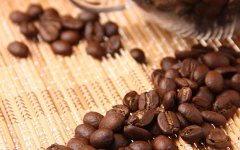
Coffee bean producing area-South America Peruvian Coffee introduction Peruvian Coffee producing area Peruvian Coffee characteristics Peru
Peru is one of the major coffee producers in South America, and coffee is Peru's largest export of agricultural products, which has grown significantly in recent years. It can be seen from the map that the Andes mountains run parallel to the coast in Peru. More than 90% of Peruvian coffee is grown in the north, in valleys east of the capital Lima, and in forest areas on the slopes of the Andes. Peruvian coffee beans are round
An introduction to Coffee Culture in Colombia
Following Cafe (Wechat official account vdailycom) found that the Beautiful Caf é opened a small shop of its own in Colombia's coffee-producing region in the Andes. Colombia has three north-south mountains that gradually merge from north to south to form part of the Andes. Coffee is grown along the highlands of these mountains. The climate there is mild and the air is humid.

A brief introduction to the cultivation of sour and sweet Galapagos boutique coffee beans, geographical location, climate and altitude
Central mountain: after entering Ecuador from Colombia, the Andes is divided into the eastern and western Cordillera mountains, with a plateau high in the north and low in the south, averaging between 2500 and 3000 meters above sea level. The Andes run through the middle of the border. The ridges crisscross, dividing the plateau into more than ten intermountain basins. The most important are the Quito basin and the Cuenca basin in the south. Volcanic crowds in the territory

A brief introduction to the cultivation of pure aromatic Galapagos boutique coffee beans, geographical location, climate and altitude
Central mountain: after Colombia entered Ecuador, the Andes is divided into the eastern and western Cordillera mountains, with a plateau high in the north and low in the south, averaging between 2500 and 3000 meters above sea level. The Andes run through the middle of the border. The ridges crisscross, dividing the plateau into more than ten intermountain basins. The most important are the Quito basin and the Cuenca basin in the south. Internal fire